

Stop Erasing “Black” in the Name of Inclusion
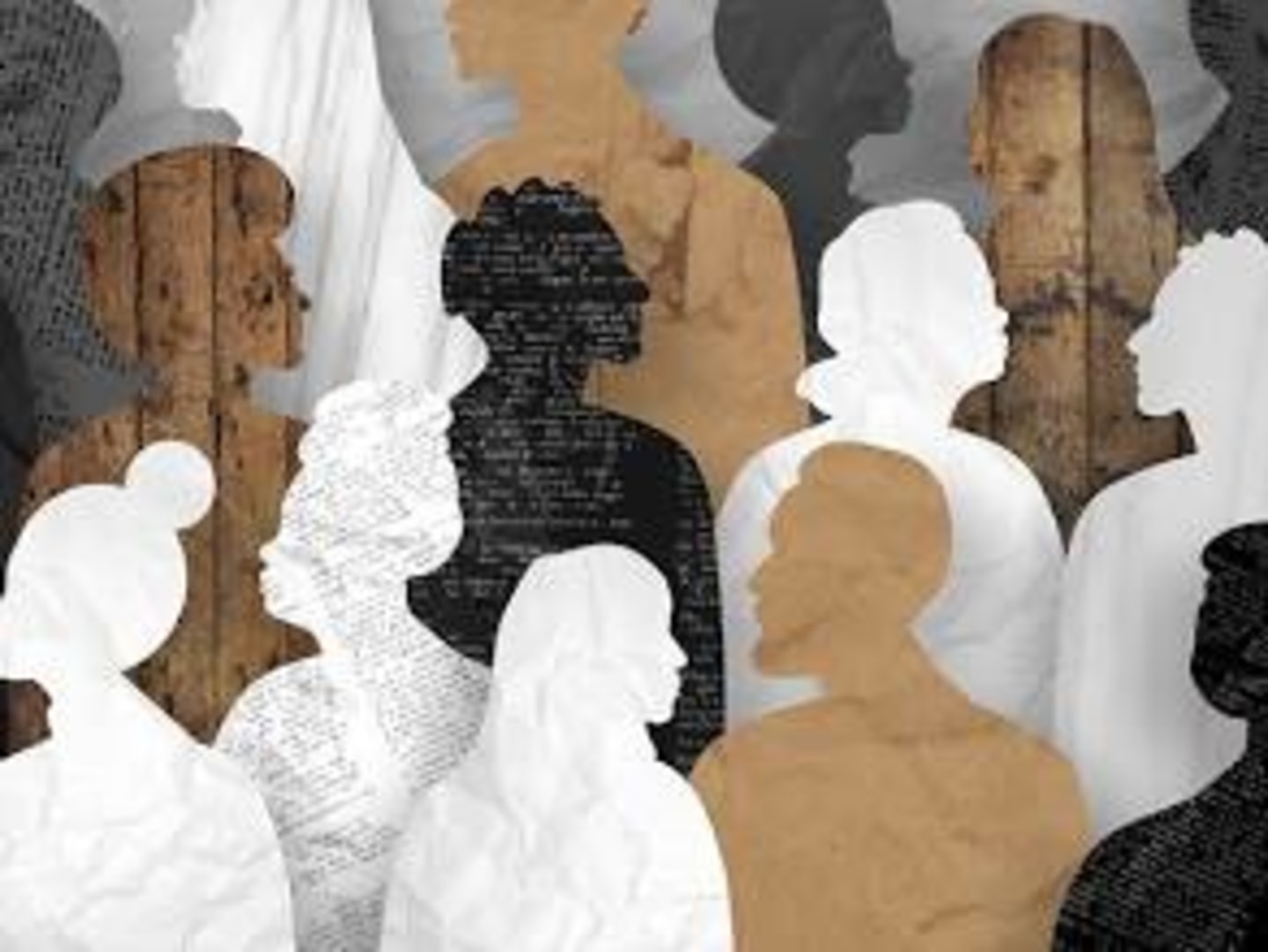
Removing “Black” doesn’t make the work inclusive — it makes it invisible.
I’ve lost count of how many times I’ve been asked to remove the word Black from my work.
From my title as a Black American Market Researcher, or when some clients suggest or agree to remove it from well-known branded events like the Black Women’s Expo, 100 Black Men, or Black Week.
Always for the same reason: “It’s not inclusive.”
Here’s the truth:
You can't claim inclusion while erasing identity.
When we name Black, we are not excluding others. We are intentionally centering a community whose voices, experiences, and contributions have been systemically overlooked or undervalued. The word “Black” signals focus, culture, respect, and authenticity — not division.
And here’s the part many leaders miss: Black insights drive culture — often in ways the broader market doesn’t see coming.
From swag and personal style that shape streetwear and luxury brands, to the storytelling traditions influencing children’s books and educational content.
From beauty innovations rooted in the needs of Black consumers that later redefine mainstream product lines, to food and flavor trends that start in Black kitchens and become national staples.
From the way Black entrepreneurs reimagine wellness, travel, and community spaces, to creative approaches in tech, design, and even home décor.
When brands invest in truly understanding Black audiences, they don’t just connect with one segment — they gain a cultural compass that guides them to reach others more effectively.
Inclusive work doesn’t erase identities to make everyone comfortable. Inclusive work acknowledges the specific, addresses the unique, and builds trust by being explicit about who it’s for.
Research backs this up. Studies on what’s called identity-safe cues show that when you name a community directly, people feel seen, respected, and more likely to engage — and it doesn’t turn other audiences off.
So, to my fellow business leaders:
If your vision of inclusion requires erasing the very people you say you want to serve, it’s not inclusion — it’s erasure.
Let’s stop hiding behind the word “inclusive” as a reason to sanitize and generalize. If you want to connect with Black audiences — or any audience — start by saying their name.
Because when you remove “Black,” you’re not making space for everyone. You’re making space for no one.