

What Communing With Satan Taught Me About Advertising


Church of Satan founder Anton LaVey, left, introduces Hollywood vixen Jayne Mansfield to the art of ritual sacrifice.
I get on these documentary kicks from time to time; I'm on one right now. My most recent viewing was Mansfield 66/67, a look at the unlikely friendship between actress and sex symbol (and most importantly, fellow Southeastern Pennsylvanian) Jayne Mansfield and Anton Szandor LaVey, founder of the Church of Satan. The movie, featuring commentary from directors like John Waters and Cheryl Dunye, Mansfield's contemporaries Tippi Hedren and Mamie Van Doren and Hollywood tabloid historian AJ Benza, suggests that Mansfield and LaVey were calculated enough to leverage each other's reputations to develop intrigue-- basically, they both loved a good publicity stunt. The doc points out that the pictures of Mansfield participating in goofy rituals at LaVey's temple are obviously posed and while Mansfield's actual spiritual or religious beliefs aren't known (it appears she was a dabbler), nothing points to any serious engagement in the dark arts on her part. The movie also gets into her troubled relationship history, questioning if LaVey made attempts at placing curses on the men who would mistreat his friend and whether those curses blew back on Mansfield in the end, such as her fatal 1967 car accident. While the doc doesn't turn up anything concrete, it twists the little evidence it's managed to scrounge up into a funny, salacious conversation starter.
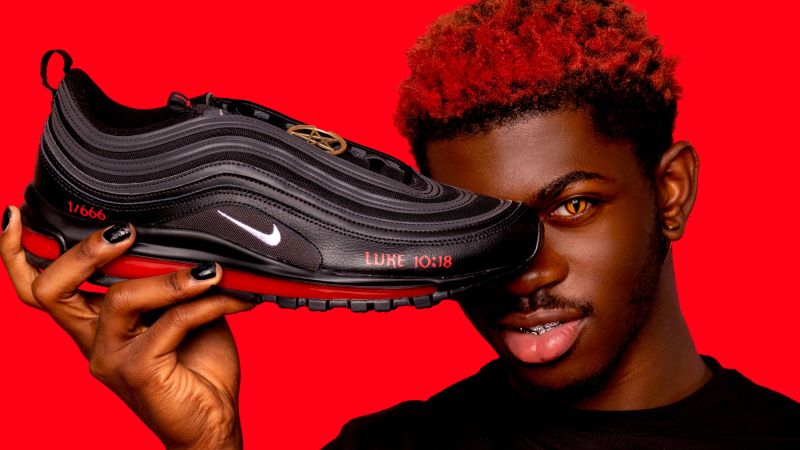
Afterward, I thought about how campy counterculture doesn't really exist anymore. For better or worse, so much in media or advertising today feels earnest in comparison. There's no real way to flirt with the forces of evil to get tongues wagging, for example-- the last attempt I can think of is Lil Nas X's lapdance in Hell and bloody sneakers
Close icon
, but even that was just commentary on the Christian Church's history of anti-queer bigotry at its heart. We live in a world where reality television and social media are two of the biggest advertising venues, which makes me curious if the audience demand for sincerity (or at least the appearance of it) has reduced our tolerance for provocative publicity stunts. In the '50s and '60s, Mansfield's heyday, Hollywood was this sparkling, untouchable dreamscape. Over time, we've seen that facade crumble away and now we approach Hollywood stardom with an earned skepticism. Mansfield holding a goat skull next to a weirdo in a devil suit only works in its own context-- no present-day star could pull off such an act without fielding accusations of inauthenticity or "trying too hard". And maybe goat skulls being a nonstarter is a win for religious tolerance.
Are any celebrities out there still playing with this trope? Is it possible today? Is it career threatening? I'd love to know what the rest of you think about the shift toward "realness" in creating and maintaining a presence and what counterculture even looks like today. What are young people doing to shock?