


Something for the Creators, the parents, and the CEOs
This week we’re giving you a run down including a little something for the creators, something for the parents, and something for the entrepreneurs.
Gap Inc. Bets on Creators
Gap Inc., the parent company of Gap, Banana Republic, Old Navy, and Athleta, just launched a new creator affiliate and advocacy platform — opening up commission-earning, product seeding, and early access opportunities across all four brands. The company is calling it part of its “Fashiontainment™” strategy, designed to blend fashion and entertainment while deepening community ties.
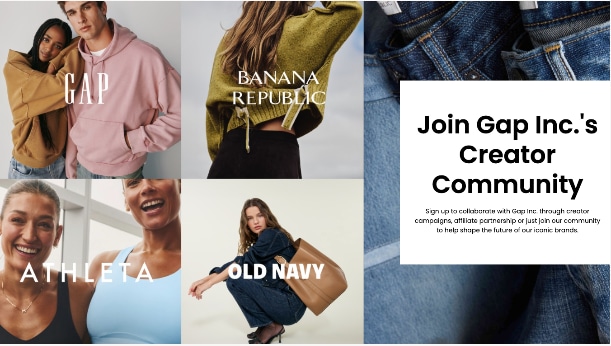
Gap’s “Better in Denim” campaign recently pulled over 600M views and 8B impressions, proving the power of social reach when creators drive the conversation. Now, Gap wants to formalize those relationships into a structured ecosystem that scales creator participation — especially heading into holiday season.
Gap Inc. stands out in 2024 for its continued transparency around Black representation and community investment at a time when many corporations have quietly retreated from race-specific reporting.
 Gap, Inc Black Representation Data (2024) -- Leadership and Board data is current.
Throughout 2024, Gap sponsored AfroTech for the fourth consecutive year, spotlighting Black women in tech, and BLACK@Gap Inc.—the company’s Black employee group—hosted a Black History Month museum tour featuring designer Dapper Dan and Harlem’s Fashion Row founder Brandice Daniel. The brand’s collaboration with ENVSN Festival supported young women of color, while a combined $60,000 investment through the Lower Eastside Girls Club advanced programming for Black and Latinx youth. Gap also released a Dapper Dan capsule collection and hosted a fireside chat with Harlem’s Fashion Row celebrating Black creativity, alongside a $100,000 donation to Brotherhood Sister Sol in Harlem to expand youth leadership and educational access. Banana Republic, under the Gap Inc. umbrella, continued inclusive storytelling with a Pride partnership with Native Son, uplifting Black gay and queer men.
Gap’s This Way ONward initiative provided 2,785 jobs in FY2024, reaching more than 27,000 young people to date—many from underrepresented communities—and continued partnerships with organizations like Boys & Girls Clubs of America to expand workforce access and mobility.
From a BDI perspective, Gap’s decision to keep naming and funding Black-led initiatives signals both integrity and awareness of its need for cultural alignment. The company still has opportunities to deepen accountability—particularly by disclosing racial pay equity, increasing Black representation at manager level , and recommitting to Supplier Inclusion—but its transparency and continued visibility in this space mark it as a brand willing to stay in the equity conversation while many others pull back.
Mattel’s Cultural Continuum — From Debbie Allen to Shani
Mattel is expanding its cultural footprint with two announcements: the debut of a Debbie Allen Barbie Tribute doll and the development of a live-action Shani series with Amazon MGM Studios.
Newly released, Debbie Allen’s Tribute Collection doll honors the legendary dancer, choreographer, actor, and producer with a likeness inspired by her Fame era — fringe pants, leg warmers, and all. The doll joins Mattel’s growing roster of Black icons, following tributes to Dr. Maya Angelou, Tina Turner, and Laverne Cox.

Separately, Mattel recently announced that Shani — Mattel’s first standalone Black fashion doll line from 1991, designed by Kitty Black Perkins — is making a comeback in the form of a scripted TV series helmed by Janine Nabers (Swarm, Watchmen, Atlanta). The show will be Mattel Studios’ first-ever premium television title, produced in partnership with Amazon MGM and overseen by an all-female executive team at Mattel Studios.
 Shani (L) and Janine Nabers (R)
Mattel’s storytelling continues to celebrate Black icons — from Debbie Allen’s
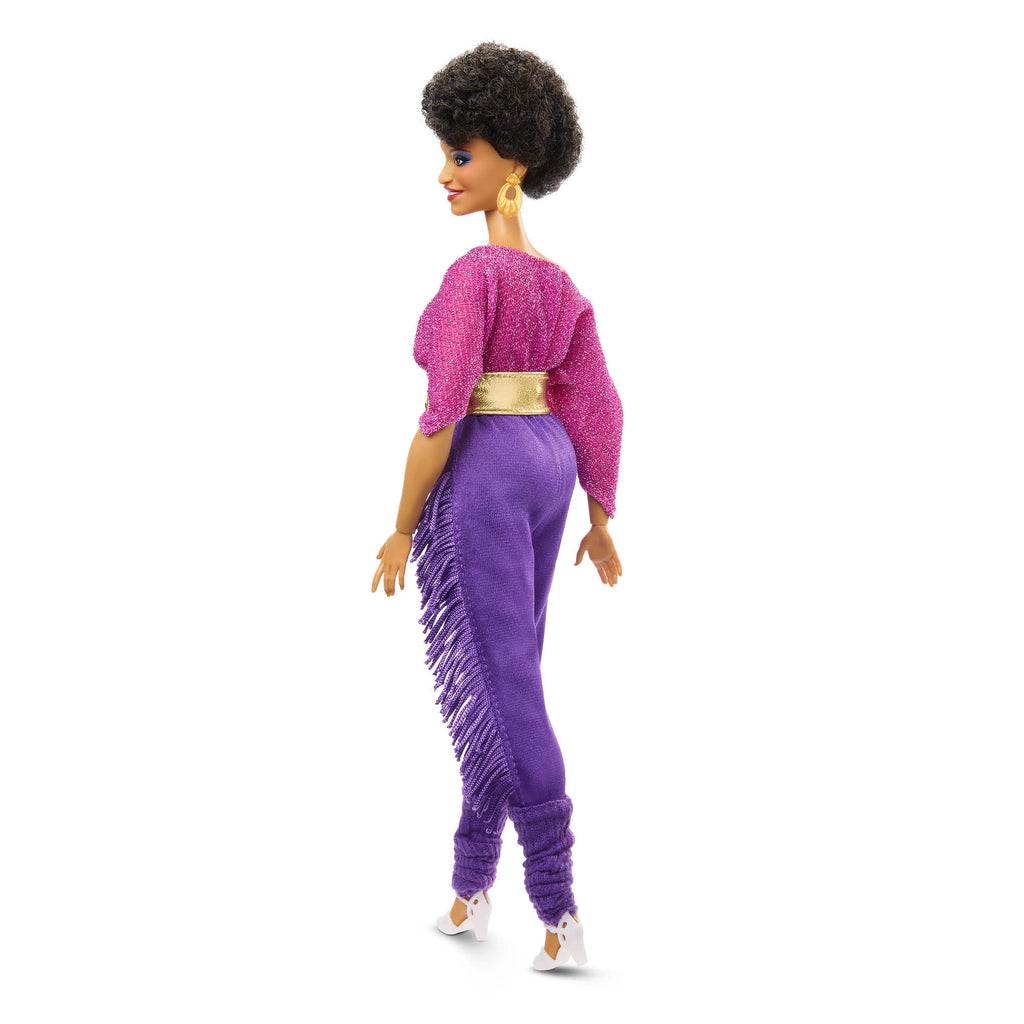
Barbie Tribute Collection Debbie Allen Doll
Debbie Allen is the next to join the Barbie Tribute Collection, a celebration of visionaries who’ve shaped our culture.
Barbie Tribute Collection Debbie Allen Doll
Debbie Allen is the next to join the Barbie Tribute Collection, a celebration of visionaries who’ve shaped our culture.
to the upcoming Shani live-action series — but its internal structure tells a different story.
Mattel appears to have discontinued its full Citizen Report (at least for 2024?), replacing it with a limited website outlining sustainability and inclusion pillars — Sustainable Design, Responsible Sourcing, and Thriving & Inclusive Communities. Notably, the “Thriving & Inclusive Communities” section includes no goals, but highlights select transparency measures. It includes:
Pay Equity results showing 100% pay parity by ethnicity
Employee Resource Groups, including Black at Mattel (BAM), which exists to “celebrate, amplify, and advocate for the voices of Black talent.”
2023 EEO-1 Data
 Mattel Black Representation Data (2023) -- Leadership & Board data is current
Even in moments of cultural celebration, the gap between representation and ownership remains clear. The Debbie Allen Barbie was not designed or packaged by Black creatives, underscoring a persistent pattern: Black culture is featured, Black influence drives visibility, but Black people are rarely empowered within the creative and decision-making process.
So while Mattel’s public storytelling reinforces its place in the cultural continuum — connecting past and present expressions of Black legacy — the company’s own data reveals how much of that continuum exists inside its walls.
Target RICE — Building Infrastructure

Target has renewed and expanded its partnership with the Russell Innovation Center for Entrepreneurs (RICE) — a hub designed to equip Black small business founders with the access, education, and connection needed to thrive in the retail economy.
Since 2020, Target’s support has helped grow RICE’s Retail Readiness Academy, a seven-month accelerator guiding Black founders on how to scale and enter mass retail. In 2024, Target doubled the program’s cohort size, deepened mentorship opportunities, and provided entrepreneuers with behind-the scenes store visits. Now in 2025, the partnership adds:
Quarterly “Saturday School Takeovers,” lending Target’s subject matter expertise to the community in retail readiness, how to scale, business essentials and beyond.
Remaking the Market: Target and RICE are relaunching the RICE Market — an on-site retail showroom designed to showcase and elevate products from RICE-supported Black entrepreneurs, driving visibility, engagement, and local sales.
For consumers, there’s nothing to do here — just be informed. BDI will continue to track Target’s equity work, evaluating both the promises made and the progress delivered.
For entrepreneurs, this partnership represents a tangible pathway to growth. RICE offers access to programs like the Retail Readiness Academy and Saturday School, helping founders build the skills and connections needed to scale in retail. You can explore this partnership and upcoming opportunities at russellcenter.org
Russell Innovation Center for Entrepreneurs – Empowering Black businesses, creating jobs, and advancing economic pathways.
.
ICYMI: Revisit BDI’s latest Target update here
Target's 2025 Impact Report: Where Did the $2 Billion to Black Businesses Go?
BDI Data Drop 🚨 Target's 1st "Post-DEI" Report
.
The Black Dollar Initiative is the independent 501(c)(3) research and advocacy hub that supports the Black Dollar Index. Your donation will go towards creating a more equitable relationship between corporations and our communities. Donations are tax-deductible (EIN: 85-2383485). Consider supporting our mission here.